A Company Is an Emotional Regime
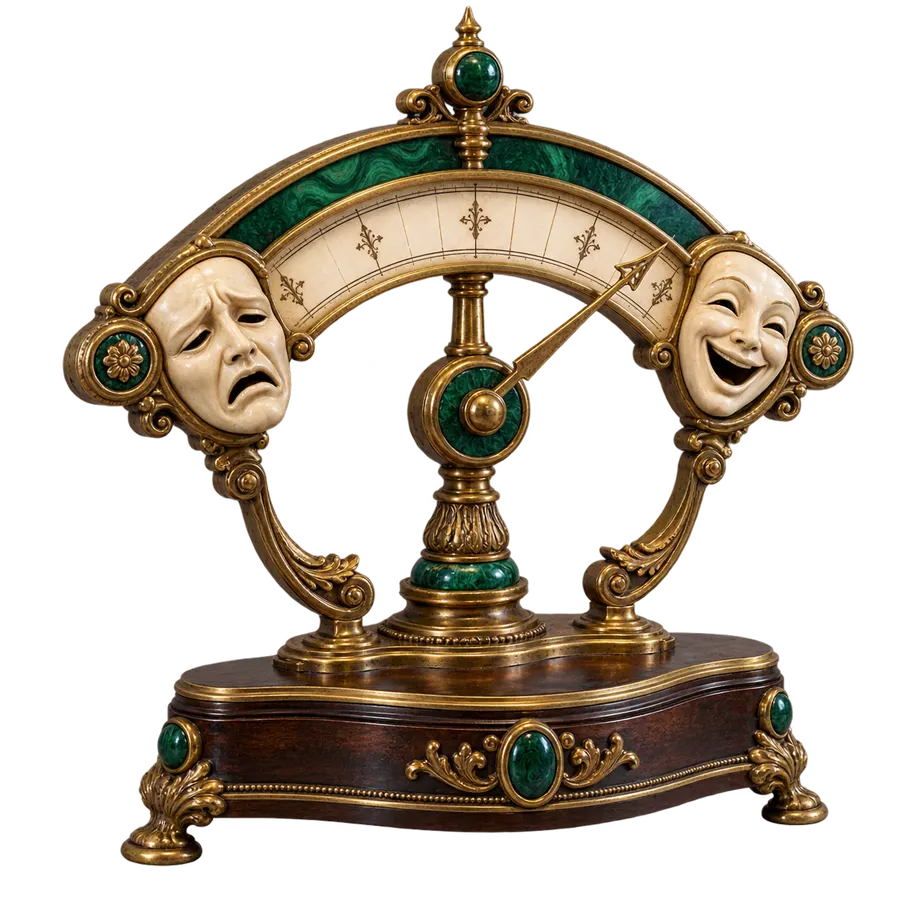
Spinoza for the Modern Business Person
I.
Every company has a culture, and culture is usually described in terms of values, norms, and behaviors. Spinoza would describe it differently. A company is an emotional regime: a recurring pattern of affects that determines how people act. The affects are not decorations on the surface of organizational life. They are its substance.
In some companies, the dominant affect is fear. People are afraid of missing targets, of disappointing the boss, of being fired. Their actions are driven by the anticipation of pain. In others, the dominant affect is ambition. People are driven by the desire for recognition, promotion, status. In still others, the dominant affect is clarity. People understand what they are doing and why, and their actions flow from that understanding.
II.
The emotional regime of a company is not chosen by fiat. The CEO cannot declare "we will be a joyful company" and make it so. The regime is produced by causes: the incentive structure, the behavior of leaders, the pace of work, the clarity of communication, the consequences of failure. These causes produce affects in employees, and the affects produce behavior.
The leader who wants to change the culture must change the causes. If the company is governed by fear, examine what people are afraid of and why. If the company is governed by resentment, examine where the perceived injustices originate. The causes are usually structural (how decisions are made, how rewards are distributed, how conflict is resolved) rather than personal (who is good and who is bad). Change the structure, and the affects will change.
III.
The most common emotional regime in business is a mixture of hope and fear. Employees hope for promotion and fear termination. The mixture produces compliance without commitment. People do what is required but not more. They are present but not engaged. This is not a healthy company. It is a company in bondage, governed by inadequate ideas about what motivates human beings.
Spinoza's analysis suggests a different regime: the joy that accompanies increased power. When people understand what they are doing and see that their actions produce results, they experience joy. The joy is not a bonus on top of the work. It is the natural affect of effective action. A company that wants joyful employees should make effective action possible: clear goals, adequate resources, honest feedback, and the removal of obstacles that prevent people from seeing the results of their work.
IV.
The leader's own affects are the most powerful cause in the emotional regime. A leader who is governed by fear will produce a fearful organization. A leader who is governed by resentment will produce a resentful organization. The affects cascade downward, not through explicit commands but through the imitation of affects that Spinoza identified. People absorb the emotional state of those above them and reproduce it in their own interactions.
This is why the leader's first responsibility is to govern his own affects. The leader who can remain calm under pressure, who can respond to setbacks with analysis rather than panic, who can communicate honestly without transmitting anxiety, is not just being professional. He is managing the emotional regime of the entire organization. His self-governance is not a personal virtue. It is an organizational asset.
V.
The emotional regime of a company determines what it can do. A company governed by fear cannot innovate, because innovation requires the willingness to fail, and fear punishes failure. A company governed by ambition cannot collaborate, because collaboration requires sharing credit, and ambition hoards it. A company governed by clarity can do both, because clarity produces the confidence to experiment and the understanding that credit is abundant when the whole succeeds.
The leader who understands the causal structure of the emotional regime can build a company that is capable of what the strategy demands. The leader who ignores it will find that the strategy fails, not because it was wrong, but because the emotional regime could not execute it. Culture is not soft. It is causal. Treat it accordingly.