The Theological-Political Problem

How religion becomes dangerous when it seeks political dominion.
I.
Religion and politics are distinct domains with distinct logics. Religion, in Spinoza's analysis, addresses the imagination and the affects. It uses stories, commands, and rituals to produce obedience to moral norms. Politics addresses the coordination of action through laws backed by the power of the state. The two domains can coexist peacefully when they respect each other's limits. They become dangerous when they merge, and especially when religion seeks political dominion.
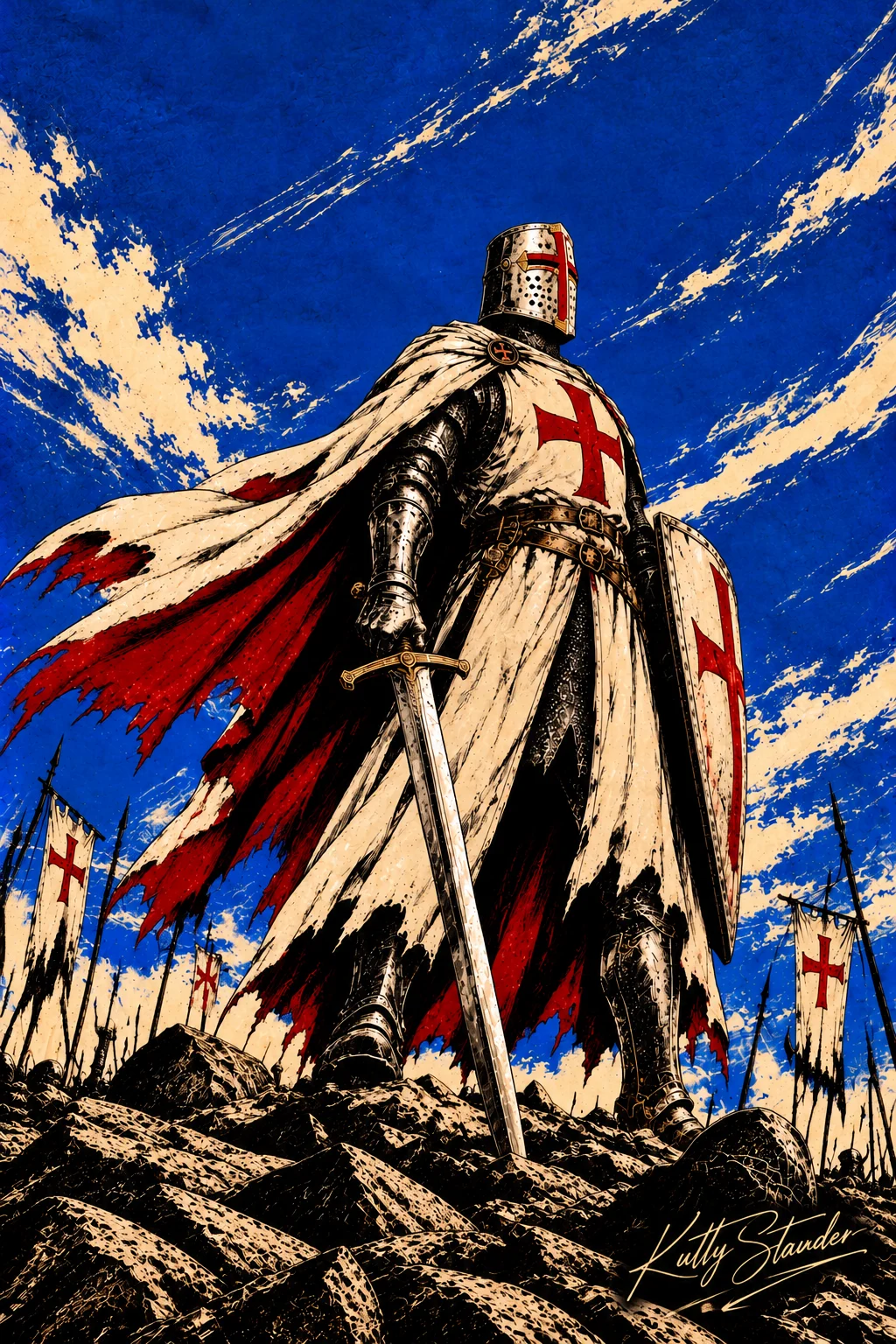
The theological-political problem is the problem of this merger. When religious authorities claim the right to govern, they import the logic of prophecy into the domain of law. The result is not a holy commonwealth. It is a tyranny disguised as piety, in which obedience to God becomes indistinguishable from obedience to the priests who claim to speak for God.
II.
Spinoza's analysis of this problem is rooted in his reading of the Hebrew Bible. The ancient Hebrew state, as he interprets it, was a theocracy in which civil law and religious law were identical. This arrangement worked, for a time, because the people understood themselves as bound by a covenant with God. But the arrangement was unstable. When the state collapsed, the religious law persisted, and the priests who interpreted it became a political class without a state. The result was the transformation of religion from a system of obedience to the divine law into a system of power for the interpreters of that law.
The pattern is not unique to Judaism. Every religion that achieves political power follows the same trajectory. The founders speak of divine authority. The successors speak of institutional authority. The difference is the difference between prophecy and bureaucracy, and the transition is always toward the latter.
III.
Why does religion seek political dominion? The answer, in Spinoza's framework, is not theological but psychological. Religious leaders are human beings, and human beings are driven by the conatus, the striving to persist and increase their power. The claim to speak for God is an enormous source of power, because it allows the claimant to mobilize the affects of the crowd: hope of reward, fear of punishment, loyalty to the sacred. Once a religious institution possesses this power, the temptation to extend it into the political domain is almost irresistible.
The result is the corruption of both religion and politics. Religion becomes an instrument of coercion rather than a source of moral guidance. Politics becomes a theater of religious conflict rather than a mechanism for peaceful coordination. The merger serves the interests of the religious-political elite and harms everyone else.
IV.
Spinoza's solution is not the abolition of religion. He recognizes that religion serves genuine human needs, particularly for those who are governed by imagination rather than reason. The solution is the separation of spheres. Religion may teach morality, but it may not enforce it through the coercive power of the state. The state may enforce law, but it may not dictate belief. The freedom to philosophize, which includes the freedom to interpret religious texts rationally, is the barrier that prevents either sphere from colonizing the other.
This separation is not hostility to religion. It is protection of religion from its own worst tendencies. A religion that relies on state power to enforce its claims is a religion that has lost confidence in its own truth. A religion that trusts its truth does not need coercion. The demand for political dominion is a sign of weakness, not strength.
V.
The theological-political problem is not a historical curiosity. It is the central political problem of every society in which religion and politics coexist. The temptation to merge them is constant, because the merger concentrates power in ways that benefit those who can position themselves at the intersection. Spinoza's warning is clear: the merger corrupts both spheres and ultimately destroys the peace that both claim to serve.
The alternative is not a secularism that denies the value of religion. It is a pluralism that allows religion to flourish within its proper domain, and politics within its proper domain, and that defends the boundary between them with the full force of reason and law. The boundary is not an attack on faith. It is the condition under which faith can be genuine rather than coercive.