The Intellectual Love of God
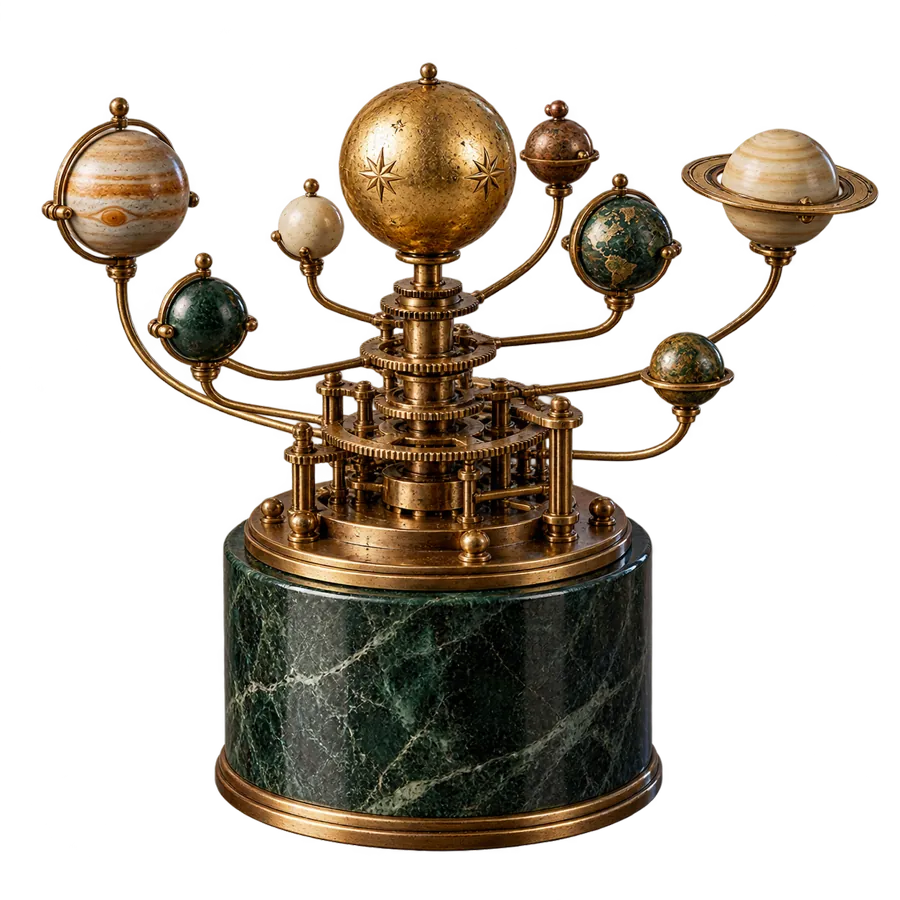
Spinoza's highest idea: not worship, not obedience, but the mind's joy in understanding the necessary order of reality
I. The Strangest Phrase in Philosophy
The intellectual love of God. The phrase sits awkwardly in the modern ear. Love suggests emotion, warmth, attachment. Intellectual suggests coldness, abstraction, distance. God suggests worship, obedience, mystery. To combine them seems almost perverse, as though Spinoza were assembling incompatible pieces.
And yet this phrase is the summit of the Ethics. It is not an afterthought or a concession to piety. It is the answer to the question that drives the whole work: what is the highest human good? The answer is not pleasure, not virtue, not salvation in any conventional sense. It is this strange compound. To understand what it means is to understand what Spinoza thought a human life could become.
II. Against the Emotional God
The god of the philosophers is not the god of the congregation. The god of the congregation is a person: he loves, judges, forgives, punishes, attends to individual lives. The intellectual love of such a god would be straightforward: gratitude, devotion, perhaps awe, the natural response of a creature to its creator.
Spinoza's God is not this being. God is Nature: the one infinite substance, expressing itself through infinite attributes. Every finite thing is a mode of this substance. God does not love, judge, or intervene, because these are actions of a person, and God is not a person. God is the order of reality itself.
How can you love an order? How can you love the causal structure of the universe? The question seems to defeat itself. And yet Spinoza insists that this love is not only possible but is the highest state a human mind can achieve.
III. Love as Joy, Joy as Power
Spinoza defines love as joy accompanied by the idea of an external cause. Joy is the passage from lesser to greater perfection, the increase of the mind's power of acting. Love is not sentiment. It is the experience of increased power, combined with the recognition of what caused the increase.
When you understand something clearly, your mind's power increases. You can think more adequately, act more effectively. This increase is joy. And if you recognize that the cause of this joy is your understanding of reality, of the necessary order of things, of God or Nature, then you are experiencing the intellectual love of God.
This is not mystical. Every time you grasp a truth, trace a cause, see why something had to be the way it is, you experience a small instance of this love. The intellectual love of God is what this experience becomes when directed toward the whole of reality.
IV. The Third Kind of Knowledge
Spinoza's three kinds of knowledge are essential here. The first is opinion: knowledge from hearsay and random experience. The second is reason: knowledge from adequate ideas. The third is intuitive knowledge: the direct grasp of the essence of things, proceeding from the adequate idea of God's attributes.
The intellectual love of God arises from the third kind. When the mind sees a finite thing not as isolated but as a mode of the infinite substance, it understands the thing under the aspect of eternity. This understanding necessarily produces the intellectual love of God. You do not first love God and then understand. You first understand, and the understanding itself is the love.
V. The Love by Which God Loves Himself
Here Spinoza makes his strangest move. The intellectual love of the mind toward God, he writes, is part of the infinite love by which God loves himself.
This is logic, not mysticism. The human mind is a mode of God. When the mind understands something adequately, it is God's own nature, expressed through this particular mode, coming to understanding. The mind's love of God is God's love of himself, experienced through one of his modes. This love is intellectual, not affective in the ordinary sense. God does not experience passions. Spinoza is explicit about this in Part V, Proposition 17. The love involved here is the non-affective self-relation of the infinite intellect, in which the finite mind participates through understanding. The distinction between lover and beloved dissolves.
This doctrine does not flatter the ego. The individual mind is not elevated to divine status. It is recognized as what it always was: a temporary, finite expression of the infinite, capable, in its highest moments, of understanding its own nature and taking joy in that understanding.
VI. The Love That Cannot Be Lost
Ordinary love is fragile. The beloved may leave, change, die, or betray. The love that depended on the beloved's presence is destroyed when that presence is withdrawn.
Spinoza's intellectual love of God is immune to this fragility. Its object is not a finite thing that can be lost. Its object is the infinite and eternal order of reality, which cannot be diminished or withdrawn. The mind that loves God intellectually loves something that cannot fail it. This love does not depend on the beloved's response, because the beloved is not a person who might respond or fail to respond. It depends only on the mind's own activity of understanding.
This is why Spinoza calls this love eternal. Not because the individual mind survives death, but because the love itself participates in the eternity of its object. The mind, insofar as it understands things under the aspect of eternity, is itself eternal.
VII. Blessedness Here and Now
The intellectual love of God is not a reward for virtue. It is virtue itself, experienced as joy. Blessedness is not something we receive after death. It is something we experience now, to the extent that we understand.
This is the most radical claim in the Ethics. The religious imagination defers blessedness to a future life. Spinoza pulls it into the present. The question is not "will I be saved." The question is "am I, right now, understanding, and experiencing the joy that understanding brings?"
VIII. The Difficulty and the Door
All things excellent are as difficult as they are rare. The intellectual love of God is not achieved by a moment of insight. It is the product of a lifetime of discipline, the gradual accumulation of adequate ideas, the slow transformation of the mind from bondage to freedom.
Most people will not achieve it in any full sense. They will remain governed by inadequate ideas and passive affects. But the door is open to anyone who will do the work. Every act of understanding is a step toward it. Every passion traced to its cause is a step. The intellectual love of God is the natural destination of any mind that commits itself to understanding.
For the intellectual love of God is not a doctrine to be believed.
It is an experience to be had, and it is had by anyone who understands anything clearly enough to see that what he understands is part of an infinite order, and that the order is beautiful, and that the beauty is not his invention but his discovery.